Skip to content
TRP
Criminal Justice Is Tested After Release

Systems Explained

Criminal Justice Is Tested After Release

52

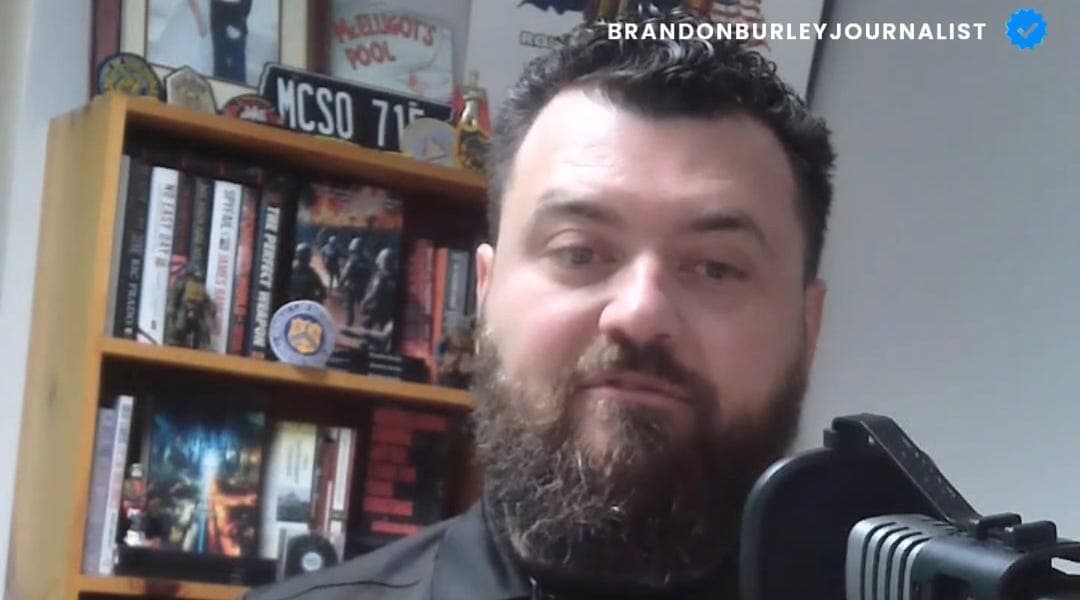
by Brandon Burley and The Redemption Project Sentencing may dominate debate, but many of the most important public safety outcomes begin after someone returns to the community. We still measure criminal justice at the wrong moment. Most public debate focuses on sentencing, incarceration levels, and whether punishment sounds tough enough. But the most important question usually begins after someone leaves prison or jail. That is because most people who are incarcerated will eventually return to their communities, and the first year after release is often the most unstable part of the entire process. Housing problems, unemployment, untreated addiction, and weak supervision can all collide at once. When that happens, repeat offending often begins long before the next arrest ever appears in public statistics. That is why criminal justice is not really tested in the courtroom. It is tested after release, when structure becomes thinner and risk becomes real. Many policies are debated at sentencing. But outcomes are often decided later, when someone returns to unstable conditions and systems become less structured. That is where public safety either holds or begins to weaken again. I am a retired detective and criminal justice / government educator based in Tennessee. I am a commentary write for Tennessee Lookout and a weekly columnist with Knox TN Today . My work examines public policy, public safety systems and civic responsibility. My reporting and commentary have also appeared in Governing , The Arizona Capitol Times , South Florida Sun Sentinel , Police1 , among other state and regional outlets. Get full access to The Redemption Project Newsroom at newsroom.theredemptionproject.news/subscribe
Criminal Justice Is Tested After Release

Playback continues in the player bar at the bottom of the screen.

Related Episodes

The Question We Rarely Ask After Prison

TRP Newsroom / Main Feed

The Question We Rarely Ask After Prison

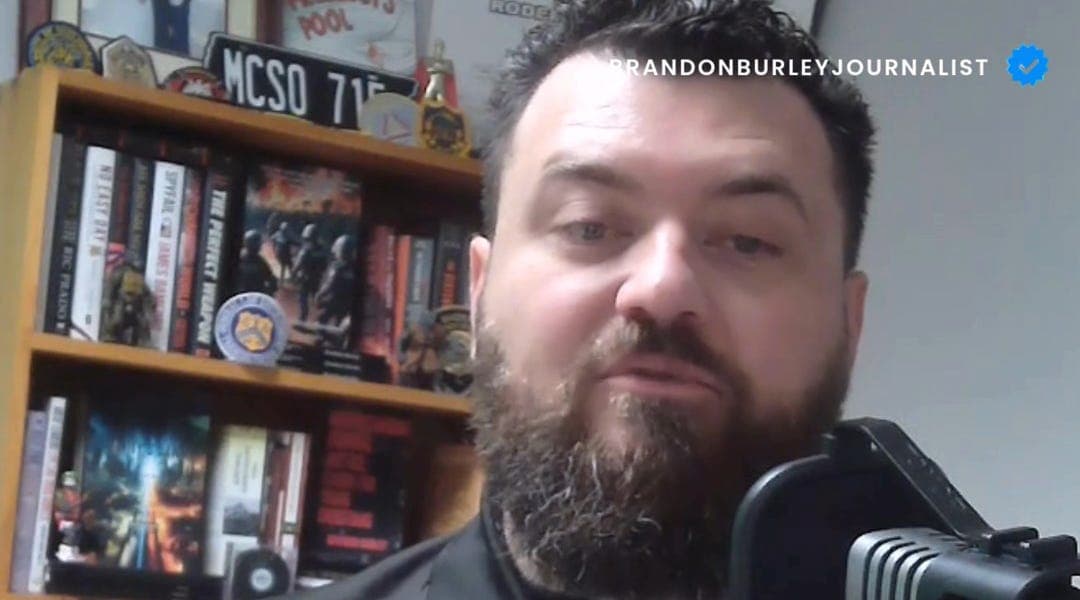
by Brandon Burley and The Redemption Project Most criminal justice debate focuses on sentencing and incarceration. Far less attention is given to what happens after release, even though that is often where public safety outcomes are shaped most directly. We still measure criminal justice at the wrong moment. Most public debate focuses on sentencing, incarceration levels, and whether a punishment sounds tough enough. But the most important question usually begins after someone leaves prison or jail. That is because most people who are incarcerated will eventually return to their communities, and the first year after release is often the most unstable part of the entire process. Housing problems, unemployment, untreated addiction, and weak supervision can all collide at once. When that happens, repeat offending often begins long before the next arrest ever appears in public statistics. That is why criminal justice is not really tested in the courtroom. It is tested after release, when structure becomes thinner and risk becomes real. A sentence may end on paper, but risk often begins where structure weakens. For many people, what happens after release determines whether reform becomes real or remains theoretical. The courtroom matters. But public safety is often decided later. I am a retired detective and criminal justice / government educator based in Tennessee. I am a commentary write for Tennessee Lookout and a weekly columnist with Knox TN Today . My work examines public policy, public safety systems and civic responsibility. My reporting and commentary have also appeared in Governing , The Arizona Capitol Times , South Florida Sun Sentinel , Police1 , among other state and regional outlets. Get full access to The Redemption Project Newsroom at newsroom.theredemptionproject.news/subscribe
S0 E7
88
Open episodeWatch
Also available on
  • Substack
  • YouTube
  • Apple Podcasts(Coming soon)
  • Spotify(Coming soon)
  • iHeartRadio(Coming soon)
  • Amazon Music(Coming soon)
Mark David Grasso: Addiction, Prison and the Recovery Work That Finally Broke the Cycle

Redemption Stories

Mark David Grasso: Addiction, Prison and the Recovery Work That Finally Broke the Cycle

Mark David Grasso did not describe his childhood as the worst story anyone had ever heard. That is part of what makes it important. He grew up in a single-parent home. His mother struggled with mental health issues and physical limitations after being hit by a car. His older sisters moved out when he was young, leaving Mark and his mother together in a house where he often felt like the child and the counselor at the same time. From the outside, things may have looked fine. Behind closed doors, they were more complicated. There were control issues. Criticism. Pressure. A picture the family wanted others to see and a reality that did not always match it. Mark is careful not to exaggerate his childhood. He was not starved. He was not beaten. He does not tell the story as if he had the worst upbringing imaginable. But that is exactly why his point matters. Trauma does not always arrive in the form people expect. Sometimes people normalize it because it does not look extreme enough to count. Sometimes a young person grows up carrying things he does not yet know how to name. When Mark was 16, almost 17, he left home after his mother found him smoking cigarettes and told him either the cigarettes had to go or he did. He was already looking for a reason to leave. Then came freedom. For the first time, Mark could make decisions for himself. He could wear what he wanted. Go where he wanted. Spend time with who he wanted. But freedom without preparation can become its own danger. Mark had been controlled, but he had not been taught consequences. He had been protected from decisions, but not prepared to make them. Soon he was hanging out with older cousins, going to parties, smoking weed and experimenting with pills. The OxyContin wave was moving through his world. What began as occasional use became something more serious. Then he joined a gang. There, he found something he had been missing. Acceptance. Camaraderie. A sense of worth. A place to belong. That belonging came with a cost. Mark started selling drugs. He started selling heroin. By 18, he had graduated high school, had his own apartment, had two cars and was making more money than he knew what to do with. At that age, he thought he had everything figured out. Then came the fall. Literally. Mark was helping a neighbor put a roof on a house when it started raining. A tarp became slick. An air hose he had wrapped around the chimney was moved. Mark fell from the roof and was knocked unconscious. The next day, the pain came. People around him told him which doctor to see. The doctor prescribed him the same kind of pills Mark had already been around in the drug world. At first, Mark saw the medication as something that could help the pain and maybe even make him money. Then he became physically dependent. When that doctor was arrested for overprescribing, Mark’s supply ran out. Withdrawal came hard. A cousin told him heroin was the same thing. Mark resisted. Then he used. And when he did, the sickness and fear melted away. That moment changed everything. Very quickly, the apartment, cars and money disappeared. He went from selling drugs to stealing roofing guns from Home Depot. He tried rehab, but thought five days of detox would fix his life. It did not. Before his 19th birthday, Mark was arrested for selling narcotics. He thought the system might help him. Instead, he got a felony conviction and incarceration. That became the pattern. Get out. Use again. Violate. Go back. Get out again. Sell drugs again. Return to what he knew. Again and again, Mark says he lived his life on the installment plan. Each time he came home, he had no real foundation. No stable path. No strong social support. No job skills that could compete with the money he remembered from the drug trade. No real transition plan that helped him become someone different. He could get a low-wage job. He could sleep on a couch. He could report to supervision. He could pee in a cup. But none of that changed the things that had shaped him. So he returned to the same life. For Mark, one of the most honest lines in the conversation is also one of the most important: There was a point where he operated better in an institution than he did in the real world. That is not an excuse. It is an indictment of a system that often punishes people, releases them and then seems surprised when they return unchanged. Mark eventually became conditioned to consequences. Prison no longer shocked him. He knew how to survive there. He knew how to fill out the paperwork. He knew the routines. He knew the rules. He knew the culture. The boiling water did not scare him anymore because the temperature had risen slowly over time. He was cooking himself to death. Then the safety net disappeared. His family reached a point where they told him, in effect, if he wanted to live that lifestyle, he could choose it, but they were not going to live it with him anymore. No more money. No more cards. No more commissary. No more cushion. No more soft landing. During his last incarceration, COVID hit. He was inside prison, isolated, cut off and facing a different kind of reality. He began to ask himself what he had to go home to. The answer was almost nothing. An ankle monitor. A bar of Irish Spring. That was about it. That kind of emptiness can break a person. For Mark, it helped wake him up. He entered a recovery community program inside the Connecticut prison system called Tier 4. He had avoided it for years because of the stigma around it. People called it a snitch program. They said it was a setup for failure. This time, he went anyway. That decision changed the direction of his life. The program was structured. It emphasized accountability, mindfulness and peer correction. At first, it did not look like freedom. It looked like rules. But inside that structure, Mark found something he had not found in previous cycles. A way forward. A recovery coach from CCAR came into the prison. Mark listened and realized this might be work he could actually do. His criminal history and addiction history would not automatically disqualify him. In that field, lived experience could become part of the work. That mattered. A woman running the program, Morgan Cease, saw something in him. She allowed him to begin finding his way. Mark started facilitating groups. He and another incarcerated man created a six-week employment readiness program. They ran recovery meetings. He began to see himself in a different role. Not as the addict. Not as the dealer. Not as the gang member. Not as the inmate who knew how to survive prison better than freedom. As someone who could help. When Mark came home, he kept going. He went through recovery coach training. While in a halfway house, he applied for jobs he did not technically have the credentials for. His resume looked strong because the experience was real, even if it had been gained inside prison. In one interview, he told the truth. He was on parole. He was in a halfway house. His experience came from prison. This is what he had done. This is what he wanted to do now. The man interviewing him told Mark someone had once given him an opportunity, and now he was going to extend one to Mark. That opportunity mattered. Mark started by cleaning toilets and making beds at a treatment facility. Within six months, he became facilities manager over six facilities. From there, he kept moving forward. Today, Mark is the program manager of the Family Reentry Recovery Community Center in Bridgeport, Connecticut. He helped open the center more than two years ago. The center works with people in recovery and reentry, helping them build plans around their goals, barriers, strengths, fears and next steps. That is where Mark’s story becomes bigger than one man. Because what he now knows from both sides of the system is simple: People need to be met where they are. Not where a program wishes they were. Not where a court file reduces them. Not where society assumes they should be by now. Where they actually are. Mark is clear that recovery does not look the same for everyone. What works for one person may destroy another. There are as many paths to recovery as there are people trying to recover. That does not mean anything goes. It means help has to be honest. It has to be individualized. It has to ask better questions. What are your goals? What are your barriers? What has worked before? What has not worked? What are you willing to try? What scares you? What kind of support do you actually need? That is not soft thinking. That is practical thinking. Because if society releases people from prison without changing the circumstances that helped put them there, it should not act shocked when many return to the same places, same pressure, same desperation and same old patterns. Punishment alone does not build a life. In the conversation, Mark says that at 18, society would have spent less money giving him long-term treatment, safe housing, clothes, transportation, job skills and a foundation than it spent cycling him through prison again and again. That line matters because it reframes the public question. This is not only about compassion. It is also about public safety. If more than 90 percent of incarcerated people are eventually coming home, then the question is not whether they will be released. The question is what kind of neighbor they will be when they return. Do we want people released with skills, treatment, support and accountability? Or do we want to keep doing the same thing and expecting different results? Mark’s life is proof that people can change. It is also proof that change usually needs more than a locked door. He needed consequences. But he also needed structure. He needed accountability. But he also needed opportunity. He needed to lose the safety net. But he also needed someone to help him build a foundation. That is redemption. Not a slogan. Not a shortcut. Not a denial of the harm addiction and crime caused. Redemption is what happens when a man finally stops cooking himself to death and starts building something that can help someone else live. Today, Mark says one thing clearly: He is not going back to prison. Not because the past was fake. Not because the consequences did not matter. Not because the struggle disappeared. But because he has seen another way to live. This is Mark David Grasso’s story. And this is The Redemption Project. I am a retired detective and criminal justice / government educator based in Tennessee. I am a commentary write for Tennessee Lookout and a weekly columnist with Knox TN Today . My work examines public policy, public safety systems and civic responsibility. My reporting and commentary have also appeared in Governing , The Arizona Capitol Times , South Florida Sun Sentinel , Police1 , among other state and regional outlets. Get full access to The Redemption Project Newsroom at newsroom.theredemptionproject.news/subscribe
S18 E2
2048
Open episodeWatch
Also available on
  • Substack
  • YouTube
  • Apple Podcasts(Coming soon)
  • Spotify(Coming soon)
  • iHeartRadio(Coming soon)
  • Amazon Music(Coming soon)
From prison to redemption

Redemption Stories

From prison to redemption

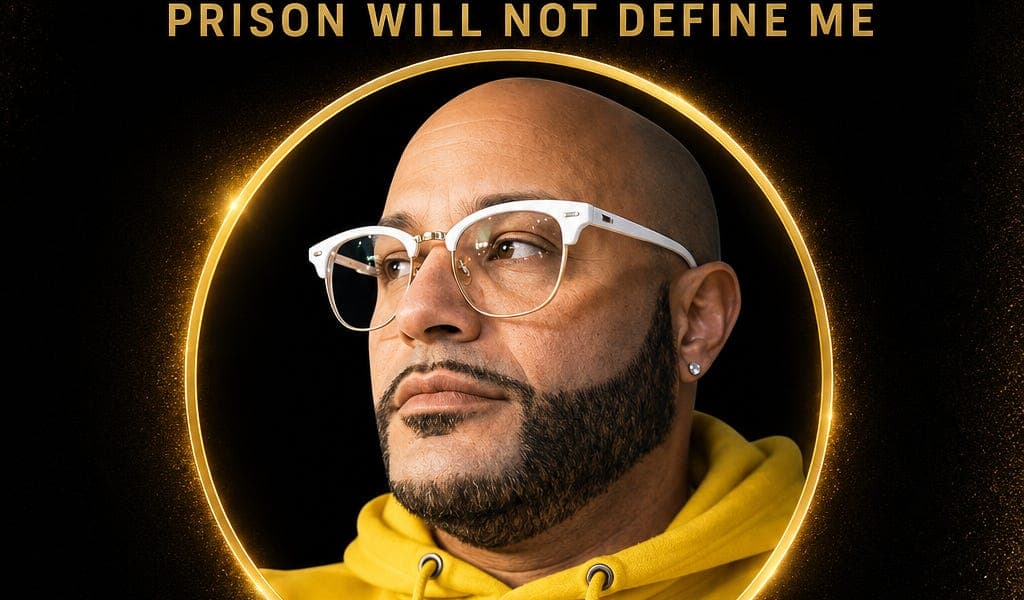
Derrick Westfield did not begin life with the story many people might expect. He was not raised in a home without both parents. He did not describe his childhood as a broken home. His mother and father worked. His family was together. He had a nice childhood. Then, when Derrick was 12 years old, his father died on his birthday. That loss changed the shape of the family. The structure began to loosen. The brothers began moving in different directions. Derrick found himself drawn more and more toward the neighborhood, toward the streets, toward the people and patterns that would eventually help define the next part of his life. By 16, Derrick was carrying a gun. Then a drug deal went wrong. The result was a murder charge, an attempted murder charge and a prison sentence that would follow him for years. Derrick was sentenced as an adult. He received 22 years for murder and eight years for attempted murder, with the sentences running together. He served 10 years, made parole in 2004, violated parole, returned to prison, got out again, violated again and eventually flattened that original sentence in 2011. But prison did not immediately transform him. In those early years, Derrick said prison was not filled with programs, school or structured rehabilitation the way people may imagine today. “You just did time.” That is one of the hard truths of this episode. Prison can punish a person without changing him. It can separate a man from society without giving him the tools, accountability, discipleship or structure needed to become someone different. For Derrick, prison also became the place where gang identity became more official. The streets had already shaped him, but prison hardened the identity. He described those years simply: banging, smoking weed and doing time. But even then, God was not absent. Derrick can look back now and see moments when the Lord was knocking. One of those moments came during a Christmas banquet inside the prison. A group from the outside came in. Derrick had a name tag on. Some women recognized his last name because they knew his mother. One of them took him aside, grabbed his hand and began to pray. Derrick was not spiritually grounded at that time. He was not walking with the Lord. But something about that prayer stayed with him. The woman prayed about the love of money. Later, Derrick opened a small Bible-like booklet and landed on Proverbs 13:11, a verse about wealth gained dishonestly diminishing. That verse hit him because greed and the love of money were part of the bondage that had helped lead him into the life he was living. He did not fully change in that moment. That is important. Sometimes a seed is planted long before the harvest shows up. Derrick remembers the prayer more than the messenger. He does not remember the woman’s name. He does not remember her face. But more than two decades later, he remembers what happened when she prayed. That was not the end of the story. After Derrick came home, he went back to the life. Not because he did not know better. Because the old identity was still there. The streets were still there. The money was still there. The temptation was still there. And the lie was still there: this time, I can do it smarter. That lie is not unique to Derrick. It is one of the oldest traps in the world. The belief that a person can return to the same destructive pattern but somehow control the ending this time. Derrick could not. During one parole violation, he went back to prison and encountered a man who called himself Brother Derrick. The man came in preaching and speaking about a life that lined up directly with Derrick’s own. He walked past other cells, came back to Derrick’s, tapped on the window and began speaking life over him. Derrick saw that as another moment where God was reaching for him. He began reading more. He started going to church. He watched sermons. Something was stirring. But when he got out again, the old life pulled him back. Then came another violent incident. During a fight inside a home, Derrick ran through a painted-over glass door and severely cut his arm. He could see the bone. He had severed an artery. Blood was everywhere. When he reached the hospital, a doctor told him he may have had only about 90 seconds left. Then the doctor told him something Derrick never forgot: “Just change it.” Derrick does not remember the doctor’s name. He does not remember his face. But he remembers the message. Just change it. He was taken from the hospital back to jail and eventually back to prison. This time, something began to deepen. Derrick started reading, writing poetry, journaling and praying. Other men noticed. They began asking questions. They began coming around him. A small Bible study began to form. But when he got out, he was separated from that spiritual community. One man told him, “When a banana gets separated from the bunch, it gets peeled.” That is exactly how Derrick describes what happened. He came home. He needed a job. He needed to catch up. He felt behind. And instead of staying rooted, he went back to selling drugs. That led to another arrest. This time, Derrick faced a new 12-year sentence at 100%. Before prison, he spent about 10 months in county jail. That is where the real transformation began. He was placed in a cell where he could not see the television. He said he did not have a mat for two weeks. He did not have the basic items he expected. He was angry. He was frustrated. He was sitting at the bottom. Then the breakdown came. He thought about the time he was facing. He thought about his daughter, who was still very young. He thought about his life. And then the tears came. For weeks, Derrick said it felt like God was washing him clean. Memories came back. Things he had forgotten came to mind. He began repenting, not casually, but deeply. He wanted something to read. He prayed for something to read. Then a man came through with a cart. He went to other cells. He started to leave. Then he looked around, came upstairs, tapped on Derrick’s window and held up a Bible. Derrick still has that Bible. When he opened it, he landed in Romans 8. For the first time, he said, he understood what he was reading. It was not just words on a page. It was as if the Scripture was being opened to him. From that moment on, he could not get enough. He started another Bible group in jail. He prayed with other men. He made prayer lists. He began walking in a different identity. And when he returned to prison, the first thing he felt God call him to do was let go of the old one. He denounced the gang. He told the men who knew him not to call him by that name anymore. Just call me by my name. That was not a small thing. For years, that identity had shaped him. It had given him a place, a name, a code and a role. Letting it go could have made prison harder. It could have put him in danger. And at one point, it almost did. Derrick was called to the ballfield by someone with influence. Younger men were nearby. Derrick understood body language. He knew something was off. But as he began explaining what God had done in his life, the conversation changed. The man told him the others had been there to get him. Then he said that was not going to happen. Instead, he wanted to talk. He wanted to understand how Derrick had gotten free. He wanted to know how to let go. That is redemption. Not that the past disappeared. Not that the harm was erased. Not that consequences vanished. But that the identity which once held Derrick began to lose its grip. In Part I of this conversation, Derrick’s story moves through grief, violence, prison, gang life, parole violations, spiritual encounters, repentance, Romans 8 and the beginning of a new life. The wound did not get the final word. The charge did not get the final word. The gang did not get the final word. The sentence did not get the final word. God was writing in places Derrick did not yet know how to read. And by the time Derrick opened that Bible in a county jail cell, the story he thought was over was only beginning to change. This is Derrick Westfield’s story. And this is The Redemption Project. I am a retired detective and criminal justice / government educator based in Tennessee. I am a commentary write for Tennessee Lookout and a weekly columnist with Knox TN Today . My work examines public policy, public safety systems and civic responsibility. My reporting and commentary have also appeared in Governing , The Arizona Capitol Times , South Florida Sun Sentinel , Police1 , among other state and regional outlets. Get full access to The Redemption Project Newsroom at newsroom.theredemptionproject.news/subscribe
S2 E15
1692
Open episodeWatch
Also available on
  • Substack
  • YouTube
  • Apple Podcasts(Coming soon)
  • Spotify(Coming soon)
  • iHeartRadio(Coming soon)
  • Amazon Music(Coming soon)