Skip to content
TRP
Food Bank vs. Food Pantry: What Most People Get Wrong

Systems Explained

Food Bank vs. Food Pantry: What Most People Get Wrong

469

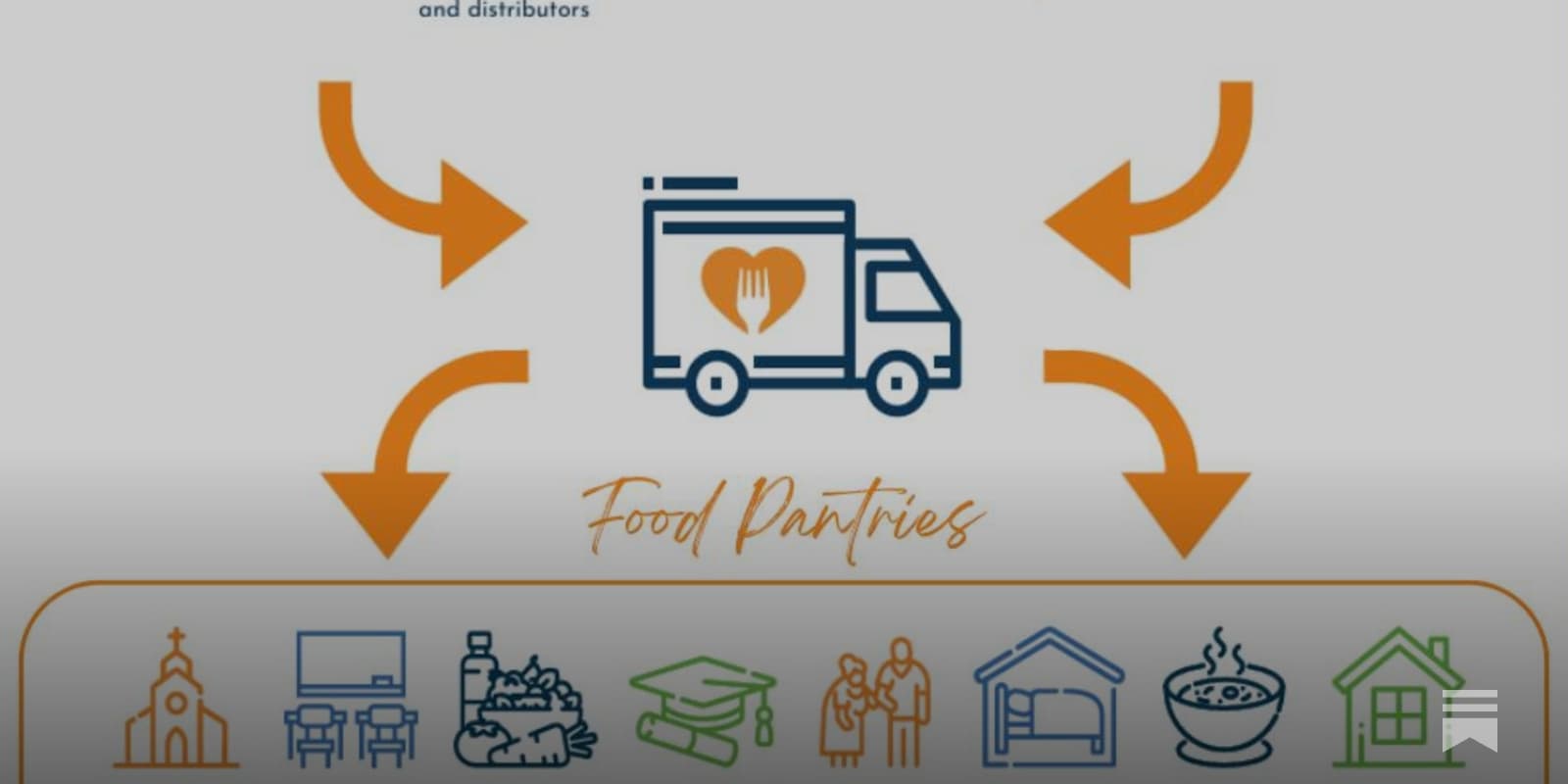
Most people use the terms food bank and food pantry like they mean the same thing. They do not. In this first episode of Systems Explained , Brandon Burley explains how the food distribution system actually works: why a food bank is usually a large supply center, why a food pantry is the local place where families actually receive food, and why understanding that difference matters if you want your donations to help more people. The episode also explains why cash donations often go farther than grocery-bin donations, how food banks use bulk purchasing power, why logistics matter, and how churches, schools, shelters, senior centers, and local nonprofits fit into the larger system. If you have ever wondered where donated food actually goes after it leaves the grocery store collection box, this episode explains the full process clearly and simply. New episodes focus on systems people talk about every day but often misunderstand. 🎙️ The Redemption Project: Systems Explained Questions for a future episode? Send them my way. Get full access to The Redemption Project Newsroom at newsroom.theredemptionproject.news/subscribe

Food Bank vs. Food Pantry: What Most People Get Wrong

Playback continues in the player bar at the bottom of the screen.
Related Episodes

County Commission vs. City Council: Who Controls What?

Systems Explained

County Commission vs. City Council: Who Controls What?

Many people know they vote for both city and county officials, but fewer people understand what each level of local government actually controls. In Season 3, Episode 3 of Systems Explained , Brandon Burley explains the practical difference between a city council and a county commission: who they govern, what services they oversee, and why both can affect your daily life at the same time. This episode breaks down how city government usually handles things like city police, local roads, and utilities, while county government often oversees schools, sheriff’s offices, jails, libraries, health departments, and rural services. It also explains why taxes differ inside and outside city limits, how one road can change jurisdiction multiple times, and why where you live determines which government is responsible when something goes wrong. Systems Explained is part of The Redemption Project and focuses on systems people encounter often but rarely see clearly. Get full access to The Redemption Project Newsroom at newsroom.theredemptionproject.news/subscribe

S3 E10
658
Open episodeWatch
Also available on
  • Substack
  • YouTube
  • Apple Podcasts(Coming soon)
  • Spotify(Coming soon)
  • iHeartRadio(Coming soon)
  • Amazon Music(Coming soon)
Police Department vs. Sheriff’s Office: Who Actually Has Authority?

Systems Explained

Police Department vs. Sheriff’s Office: Who Actually Has Authority?

Most people know that police officers and sheriff’s deputies both wear badges and answer calls, but the agencies behind them are built very differently. Brandon Burley explains the practical difference between a city police department and a county sheriff’s office: who they serve, how they are funded, who they answer to, and why one is usually appointed while the other is elected. This episode also explains why police departments usually operate under city government, why sheriffs often manage county jails and court security, how overlapping jurisdiction works, and why the answer can change depending on where you live. Using examples from places like Knoxville, Nashville, Chattanooga, and Los Angeles, the episode shows why two agencies can operate in the same area while still having very different responsibilities. Systems Explained is part of The Redemption Project and focuses on systems people encounter often but rarely see clearly. Get full access to The Redemption Project Newsroom at newsroom.theredemptionproject.news/subscribe

S3 E9
725
Open episodeWatch
Also available on
  • Substack
  • YouTube
  • Apple Podcasts(Coming soon)
  • Spotify(Coming soon)
  • iHeartRadio(Coming soon)
  • Amazon Music(Coming soon)
ALPR and Flock Technology Explained: When License Plate Readers Become a Privacy Debate

Systems Explained

ALPR and Flock Technology Explained: When License Plate Readers Become a Privacy Debate

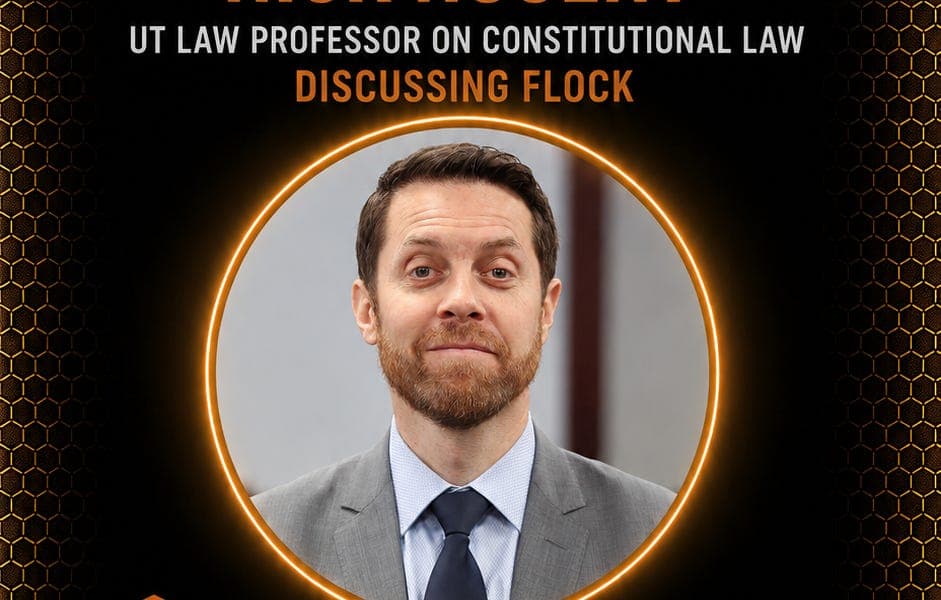
What are Flock cameras, and why are so many people suddenly concerned about them? In this Season 3 Systems Explained episode, Brandon Burley talks with Nick Nugent, a University of Tennessee law professor who teaches technology law and constitutional law, about automated license plate readers, public safety, privacy and the difference between what may be legal and what kind of surveillance society we actually want. The conversation separates two questions: Is this constitutional? And even if it is lawful, is this the policy Tennessee communities want? Brandon brings his law enforcement background into the discussion, explaining why he once helped set up a limited Flock system but now has serious concerns about mass vehicle-location tracking, private third-party data collection, weak audit controls and the ability to map a person’s movements over time. This is not an anti-police episode. It is not a pro-surveillance episode. It is a civic explainer about technology, public safety, privacy and the rules that should govern powerful tools before the tools become normal. I am a retired detective and criminal justice / government educator based in Tennessee. I am a commentary write for Tennessee Lookout and a weekly columnist with Knox TN Today . My work examines public policy, public safety systems and civic responsibility. My reporting and commentary have also appeared in Governing , The Arizona Capitol Times , South Florida Sun Sentinel , Police1 , among other state and regional outlets. Get full access to The Redemption Project Newsroom at newsroom.theredemptionproject.news/subscribe

S12 E3
153
Open episodeWatch
Also available on
  • Substack
  • YouTube
  • Apple Podcasts(Coming soon)
  • Spotify(Coming soon)
  • iHeartRadio(Coming soon)
  • Amazon Music(Coming soon)