Redemption Stories
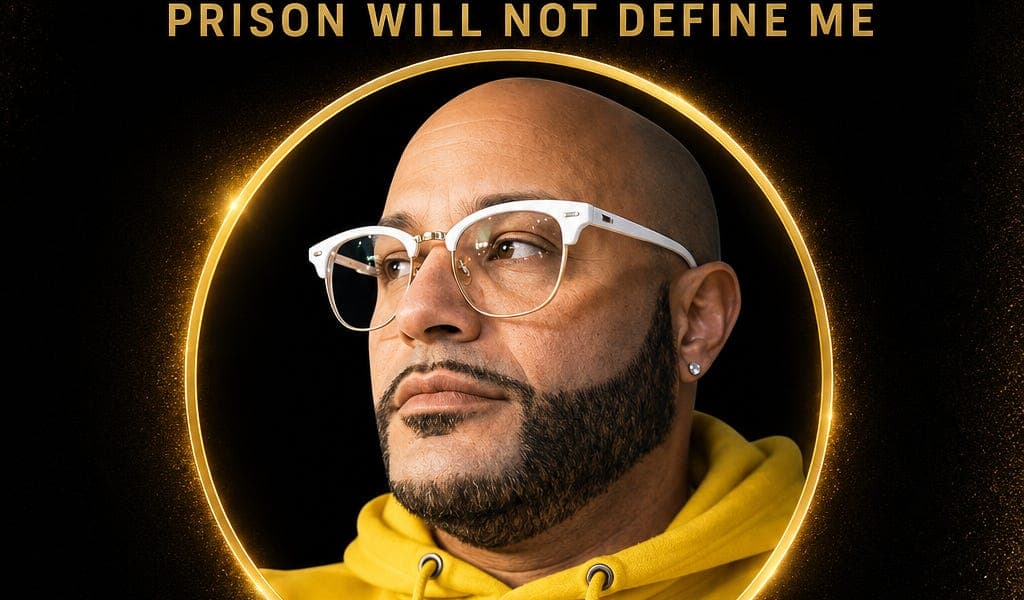
Mark David Grasso did not describe his childhood as the worst story anyone had ever heard. That is part of what makes it important. He grew up in a single-parent home. His mother struggled with mental health issues and physical limitations after being hit by a car. His older sisters moved out when he was young, leaving Mark and his mother together in a house where he often felt like the child and the counselor at the same time. From the outside, things may have looked fine. Behind closed doors, they were more complicated. There were control issues. Criticism. Pressure. A picture the family wanted others to see and a reality that did not always match it. Mark is careful not to exaggerate his childhood. He was not starved. He was not beaten. He does not tell the story as if he had the worst upbringing imaginable. But that is exactly why his point matters. Trauma does not always arrive in the form people expect. Sometimes people normalize it because it does not look extreme enough to count. Sometimes a young person grows up carrying things he does not yet know how to name. When Mark was 16, almost 17, he left home after his mother found him smoking cigarettes and told him either the cigarettes had to go or he did. He was already looking for a reason to leave. Then came freedom. For the first time, Mark could make decisions for himself. He could wear what he wanted. Go where he wanted. Spend time with who he wanted. But freedom without preparation can become its own danger. Mark had been controlled, but he had not been taught consequences. He had been protected from decisions, but not prepared to make them. Soon he was hanging out with older cousins, going to parties, smoking weed and experimenting with pills. The OxyContin wave was moving through his world. What began as occasional use became something more serious. Then he joined a gang. There, he found something he had been missing. Acceptance. Camaraderie. A sense of worth. A place to belong. That belonging came with a cost. Mark started selling drugs. He started selling heroin. By 18, he had graduated high school, had his own apartment, had two cars and was making more money than he knew what to do with. At that age, he thought he had everything figured out. Then came the fall. Literally. Mark was helping a neighbor put a roof on a house when it started raining. A tarp became slick. An air hose he had wrapped around the chimney was moved. Mark fell from the roof and was knocked unconscious. The next day, the pain came. People around him told him which doctor to see. The doctor prescribed him the same kind of pills Mark had already been around in the drug world. At first, Mark saw the medication as something that could help the pain and maybe even make him money. Then he became physically dependent. When that doctor was arrested for overprescribing, Mark’s supply ran out. Withdrawal came hard. A cousin told him heroin was the same thing. Mark resisted. Then he used. And when he did, the sickness and fear melted away. That moment changed everything. Very quickly, the apartment, cars and money disappeared. He went from selling drugs to stealing roofing guns from Home Depot. He tried rehab, but thought five days of detox would fix his life. It did not. Before his 19th birthday, Mark was arrested for selling narcotics. He thought the system might help him. Instead, he got a felony conviction and incarceration. That became the pattern. Get out. Use again. Violate. Go back. Get out again. Sell drugs again. Return to what he knew. Again and again, Mark says he lived his life on the installment plan. Each time he came home, he had no real foundation. No stable path. No strong social support. No job skills that could compete with the money he remembered from the drug trade. No real transition plan that helped him become someone different. He could get a low-wage job. He could sleep on a couch. He could report to supervision. He could pee in a cup. But none of that changed the things that had shaped him. So he returned to the same life. For Mark, one of the most honest lines in the conversation is also one of the most important: There was a point where he operated better in an institution than he did in the real world. That is not an excuse. It is an indictment of a system that often punishes people, releases them and then seems surprised when they return unchanged. Mark eventually became conditioned to consequences. Prison no longer shocked him. He knew how to survive there. He knew how to fill out the paperwork. He knew the routines. He knew the rules. He knew the culture. The boiling water did not scare him anymore because the temperature had risen slowly over time. He was cooking himself to death. Then the safety net disappeared. His family reached a point where they told him, in effect, if he wanted to live that lifestyle, he could choose it, but they were not going to live it with him anymore. No more money. No more cards. No more commissary. No more cushion. No more soft landing. During his last incarceration, COVID hit. He was inside prison, isolated, cut off and facing a different kind of reality. He began to ask himself what he had to go home to. The answer was almost nothing. An ankle monitor. A bar of Irish Spring. That was about it. That kind of emptiness can break a person. For Mark, it helped wake him up. He entered a recovery community program inside the Connecticut prison system called Tier 4. He had avoided it for years because of the stigma around it. People called it a snitch program. They said it was a setup for failure. This time, he went anyway. That decision changed the direction of his life. The program was structured. It emphasized accountability, mindfulness and peer correction. At first, it did not look like freedom. It looked like rules. But inside that structure, Mark found something he had not found in previous cycles. A way forward. A recovery coach from CCAR came into the prison. Mark listened and realized this might be work he could actually do. His criminal history and addiction history would not automatically disqualify him. In that field, lived experience could become part of the work. That mattered. A woman running the program, Morgan Cease, saw something in him. She allowed him to begin finding his way. Mark started facilitating groups. He and another incarcerated man created a six-week employment readiness program. They ran recovery meetings. He began to see himself in a different role. Not as the addict. Not as the dealer. Not as the gang member. Not as the inmate who knew how to survive prison better than freedom. As someone who could help. When Mark came home, he kept going. He went through recovery coach training. While in a halfway house, he applied for jobs he did not technically have the credentials for. His resume looked strong because the experience was real, even if it had been gained inside prison. In one interview, he told the truth. He was on parole. He was in a halfway house. His experience came from prison. This is what he had done. This is what he wanted to do now. The man interviewing him told Mark someone had once given him an opportunity, and now he was going to extend one to Mark. That opportunity mattered. Mark started by cleaning toilets and making beds at a treatment facility. Within six months, he became facilities manager over six facilities. From there, he kept moving forward. Today, Mark is the program manager of the Family Reentry Recovery Community Center in Bridgeport, Connecticut. He helped open the center more than two years ago. The center works with people in recovery and reentry, helping them build plans around their goals, barriers, strengths, fears and next steps. That is where Mark’s story becomes bigger than one man. Because what he now knows from both sides of the system is simple: People need to be met where they are. Not where a program wishes they were. Not where a court file reduces them. Not where society assumes they should be by now. Where they actually are. Mark is clear that recovery does not look the same for everyone. What works for one person may destroy another. There are as many paths to recovery as there are people trying to recover. That does not mean anything goes. It means help has to be honest. It has to be individualized. It has to ask better questions. What are your goals? What are your barriers? What has worked before? What has not worked? What are you willing to try? What scares you? What kind of support do you actually need? That is not soft thinking. That is practical thinking. Because if society releases people from prison without changing the circumstances that helped put them there, it should not act shocked when many return to the same places, same pressure, same desperation and same old patterns. Punishment alone does not build a life. In the conversation, Mark says that at 18, society would have spent less money giving him long-term treatment, safe housing, clothes, transportation, job skills and a foundation than it spent cycling him through prison again and again. That line matters because it reframes the public question. This is not only about compassion. It is also about public safety. If more than 90 percent of incarcerated people are eventually coming home, then the question is not whether they will be released. The question is what kind of neighbor they will be when they return. Do we want people released with skills, treatment, support and accountability? Or do we want to keep doing the same thing and expecting different results? Mark’s life is proof that people can change. It is also proof that change usually needs more than a locked door. He needed consequences. But he also needed structure. He needed accountability. But he also needed opportunity. He needed to lose the safety net. But he also needed someone to help him build a foundation. That is redemption. Not a slogan. Not a shortcut. Not a denial of the harm addiction and crime caused. Redemption is what happens when a man finally stops cooking himself to death and starts building something that can help someone else live. Today, Mark says one thing clearly: He is not going back to prison. Not because the past was fake. Not because the consequences did not matter. Not because the struggle disappeared. But because he has seen another way to live. This is Mark David Grasso’s story. And this is The Redemption Project. I am a retired detective and criminal justice / government educator based in Tennessee. I am a commentary write for Tennessee Lookout and a weekly columnist with Knox TN Today . My work examines public policy, public safety systems and civic responsibility. My reporting and commentary have also appeared in Governing , The Arizona Capitol Times , South Florida Sun Sentinel , Police1 , among other state and regional outlets. Get full access to The Redemption Project Newsroom at newsroom.theredemptionproject.news/subscribe