Skip to content
TRP
Addiction Is Distributed Evenly. Help Is Not. | Commentary on Recovery Gaps in East Tennessee

Systems Explained

Addiction Is Distributed Evenly. Help Is Not. | Commentary on Recovery Gaps in East Tennessee

355

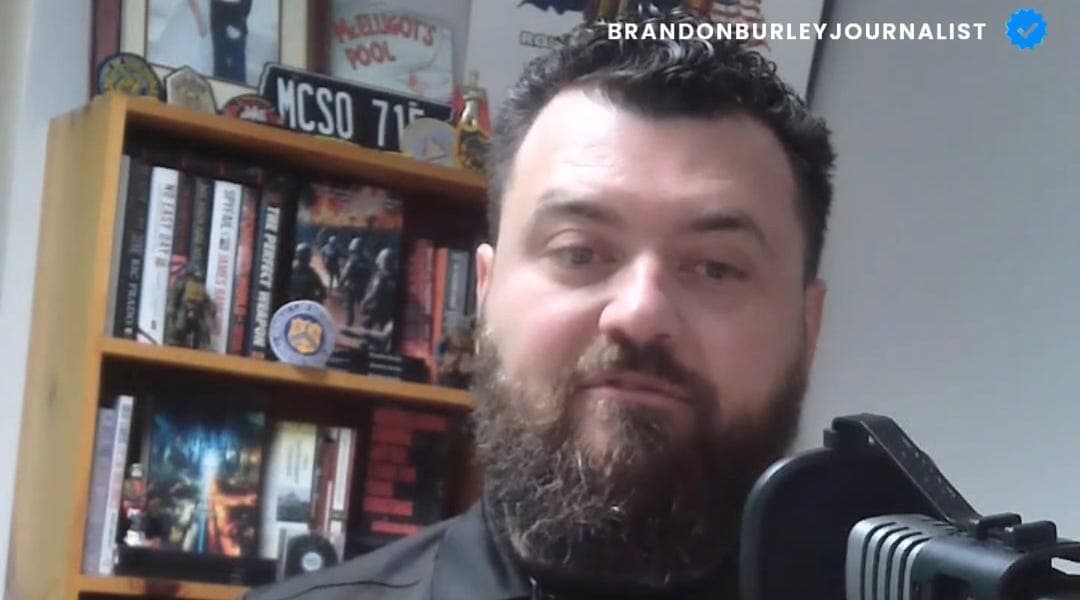
In this narrated commentary, Brandon Burley reflects on his recent opinion piece examining why addiction impacts every community—but recovery resources often do not. Drawing from reporting in East Tennessee, the episode explores how smaller cities like Oak Ridge experience the same pressures as larger urban centers—substance misuse, fractured families, and relapse—without the same concentration of treatment, visibility, or long-term recovery infrastructure. The discussion highlights First Recovery in Oak Ridge as an example of sustained, community-based support that goes beyond short-term intervention, connecting people and families to accountability, structure, and practical help. The episode also addresses broader regional data on addiction, homelessness, and overdose deaths, and why recovery efforts cannot remain centralized if communities want meaningful public safety outcomes. Get full access to The Redemption Project Newsroom at newsroom.theredemptionproject.news/subscribe

Addiction Is Distributed Evenly. Help Is Not. | Commentary on Recovery Gaps in East Tennessee

Playback continues in the player bar at the bottom of the screen.
Related Episodes

Criminal Justice Is Tested After Release

Systems Explained

Criminal Justice Is Tested After Release

by Brandon Burley and The Redemption Project Sentencing may dominate debate, but many of the most important public safety outcomes begin after someone returns to the community. We still measure criminal justice at the wrong moment. Most public debate focuses on sentencing, incarceration levels, and whether punishment sounds tough enough. But the most important question usually begins after someone leaves prison or jail. That is because most people who are incarcerated will eventually return to their communities, and the first year after release is often the most unstable part of the entire process. Housing problems, unemployment, untreated addiction, and weak supervision can all collide at once. When that happens, repeat offending often begins long before the next arrest ever appears in public statistics. That is why criminal justice is not really tested in the courtroom. It is tested after release, when structure becomes thinner and risk becomes real. Many policies are debated at sentencing. But outcomes are often decided later, when someone returns to unstable conditions and systems become less structured. That is where public safety either holds or begins to weaken again. I am a retired detective and criminal justice / government educator based in Tennessee. I am a commentary write for Tennessee Lookout and a weekly columnist with Knox TN Today . My work examines public policy, public safety systems and civic responsibility. My reporting and commentary have also appeared in Governing , The Arizona Capitol Times , South Florida Sun Sentinel , Police1 , among other state and regional outlets. Get full access to The Redemption Project Newsroom at newsroom.theredemptionproject.news/subscribe

S3 E11
52
Open episodeWatch
Also available on
  • Substack
  • YouTube
  • Apple Podcasts(Coming soon)
  • Spotify(Coming soon)
  • iHeartRadio(Coming soon)
  • Amazon Music(Coming soon)
Why Chattanooga’s New Reentry Program Matters for Public Safety

Systems Explained

Why Chattanooga’s New Reentry Program Matters for Public Safety

n this Season 4 episode of The Redemption Project , Brandon Burley narrates and comments on a letter to the editor he wrote for the Chattanooga Times Free Press about a reentry support program coming to the city—one with a documented record of reducing recidivism. Drawing from firsthand experience in law enforcement and direct visits to Men of Valor campuses in Tennessee, Brandon explains why structured reentry matters for public safety. He breaks down how housing, employment, accountability, and decompression after incarceration intersect—and why the absence of those supports often sends people right back into the system. While this episode focuses on Chattanooga, the broader issue applies nationwide: when people leave jail or prison without stability, the conditions for reoffending quietly rebuild themselves. Season 4 of The Redemption Project features narrated journalism, letters, and reported commentary examining criminal justice, reentry, and public safety beyond headlines. Get full access to The Redemption Project Newsroom at newsroom.theredemptionproject.news/subscribe

S3 E4
175
Open episodeWatch
Also available on
  • Substack
  • YouTube
  • Apple Podcasts(Coming soon)
  • Spotify(Coming soon)
  • iHeartRadio(Coming soon)
  • Amazon Music(Coming soon)
ALPR and Flock Technology Explained: When License Plate Readers Become a Privacy Debate

Systems Explained

ALPR and Flock Technology Explained: When License Plate Readers Become a Privacy Debate

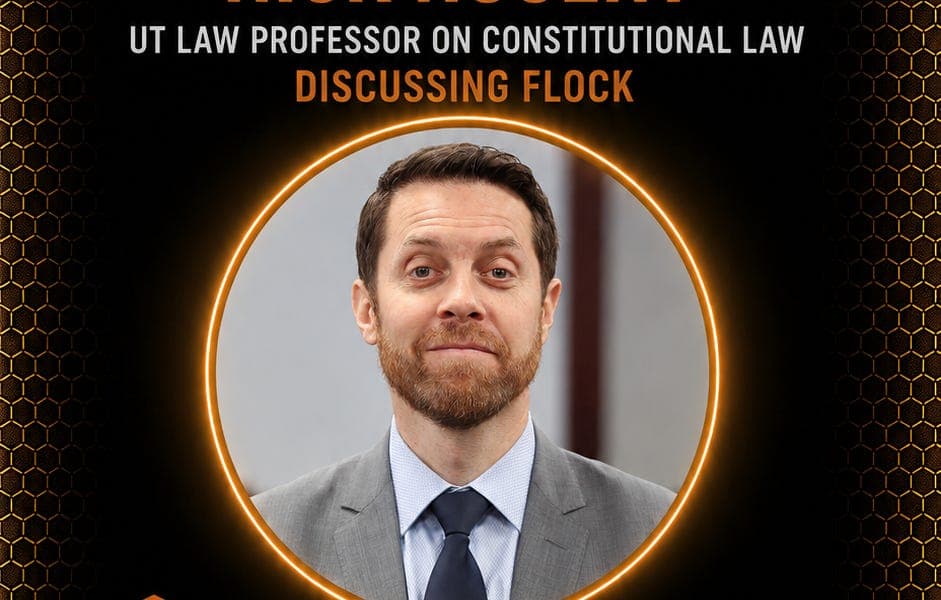
What are Flock cameras, and why are so many people suddenly concerned about them? In this Season 3 Systems Explained episode, Brandon Burley talks with Nick Nugent, a University of Tennessee law professor who teaches technology law and constitutional law, about automated license plate readers, public safety, privacy and the difference between what may be legal and what kind of surveillance society we actually want. The conversation separates two questions: Is this constitutional? And even if it is lawful, is this the policy Tennessee communities want? Brandon brings his law enforcement background into the discussion, explaining why he once helped set up a limited Flock system but now has serious concerns about mass vehicle-location tracking, private third-party data collection, weak audit controls and the ability to map a person’s movements over time. This is not an anti-police episode. It is not a pro-surveillance episode. It is a civic explainer about technology, public safety, privacy and the rules that should govern powerful tools before the tools become normal. I am a retired detective and criminal justice / government educator based in Tennessee. I am a commentary write for Tennessee Lookout and a weekly columnist with Knox TN Today . My work examines public policy, public safety systems and civic responsibility. My reporting and commentary have also appeared in Governing , The Arizona Capitol Times , South Florida Sun Sentinel , Police1 , among other state and regional outlets. Get full access to The Redemption Project Newsroom at newsroom.theredemptionproject.news/subscribe

S12 E3
153
Open episodeWatch
Also available on
  • Substack
  • YouTube
  • Apple Podcasts(Coming soon)
  • Spotify(Coming soon)
  • iHeartRadio(Coming soon)
  • Amazon Music(Coming soon)