This segment explores why incentives matter in criminal justice and reentry systems.Compliance does not happen in a vacuum. When individuals are given no incentives for positive behavior, accountability systems often fail.We discuss how structured incentives encourage responsibility, reduce violations, and support long-term success while still maintaining supervision and consequences.The Redemption Project focuses on realistic approaches to accountability and behavior change. Get full access to The Redemption Project Newsroom at newsroom.theredemptionproject.news/subscribe
by Brandon Burley and The Redemption Project Sentencing may dominate debate, but many of the most important public safety outcomes begin after someone returns to the community. We still measure criminal justice at the wrong moment. Most public debate focuses on sentencing, incarceration levels, and whether punishment sounds tough enough. But the most important question usually begins after someone leaves prison or jail. That is because most people who are incarcerated will eventually return to their communities, and the first year after release is often the most unstable part of the entire process. Housing problems, unemployment, untreated addiction, and weak supervision can all collide at once. When that happens, repeat offending often begins long before the next arrest ever appears in public statistics. That is why criminal justice is not really tested in the courtroom. It is tested after release, when structure becomes thinner and risk becomes real. Many policies are debated at sentencing. But outcomes are often decided later, when someone returns to unstable conditions and systems become less structured. That is where public safety either holds or begins to weaken again. I am a retired detective and criminal justice / government educator based in Tennessee. I am a commentary write for Tennessee Lookout and a weekly columnist with Knox TN Today . My work examines public policy, public safety systems and civic responsibility. My reporting and commentary have also appeared in Governing , The Arizona Capitol Times , South Florida Sun Sentinel , Police1 , among other state and regional outlets. Get full access to The Redemption Project Newsroom at newsroom.theredemptionproject.news/subscribe
Many people know they vote for both city and county officials, but fewer people understand what each level of local government actually controls. In Season 3, Episode 3 of Systems Explained , Brandon Burley explains the practical difference between a city council and a county commission: who they govern, what services they oversee, and why both can affect your daily life at the same time. This episode breaks down how city government usually handles things like city police, local roads, and utilities, while county government often oversees schools, sheriff’s offices, jails, libraries, health departments, and rural services. It also explains why taxes differ inside and outside city limits, how one road can change jurisdiction multiple times, and why where you live determines which government is responsible when something goes wrong. Systems Explained is part of The Redemption Project and focuses on systems people encounter often but rarely see clearly. Get full access to The Redemption Project Newsroom at newsroom.theredemptionproject.news/subscribe
Most people know that police officers and sheriff’s deputies both wear badges and answer calls, but the agencies behind them are built very differently. Brandon Burley explains the practical difference between a city police department and a county sheriff’s office: who they serve, how they are funded, who they answer to, and why one is usually appointed while the other is elected. This episode also explains why police departments usually operate under city government, why sheriffs often manage county jails and court security, how overlapping jurisdiction works, and why the answer can change depending on where you live. Using examples from places like Knoxville, Nashville, Chattanooga, and Los Angeles, the episode shows why two agencies can operate in the same area while still having very different responsibilities. Systems Explained is part of The Redemption Project and focuses on systems people encounter often but rarely see clearly. Get full access to The Redemption Project Newsroom at newsroom.theredemptionproject.news/subscribe
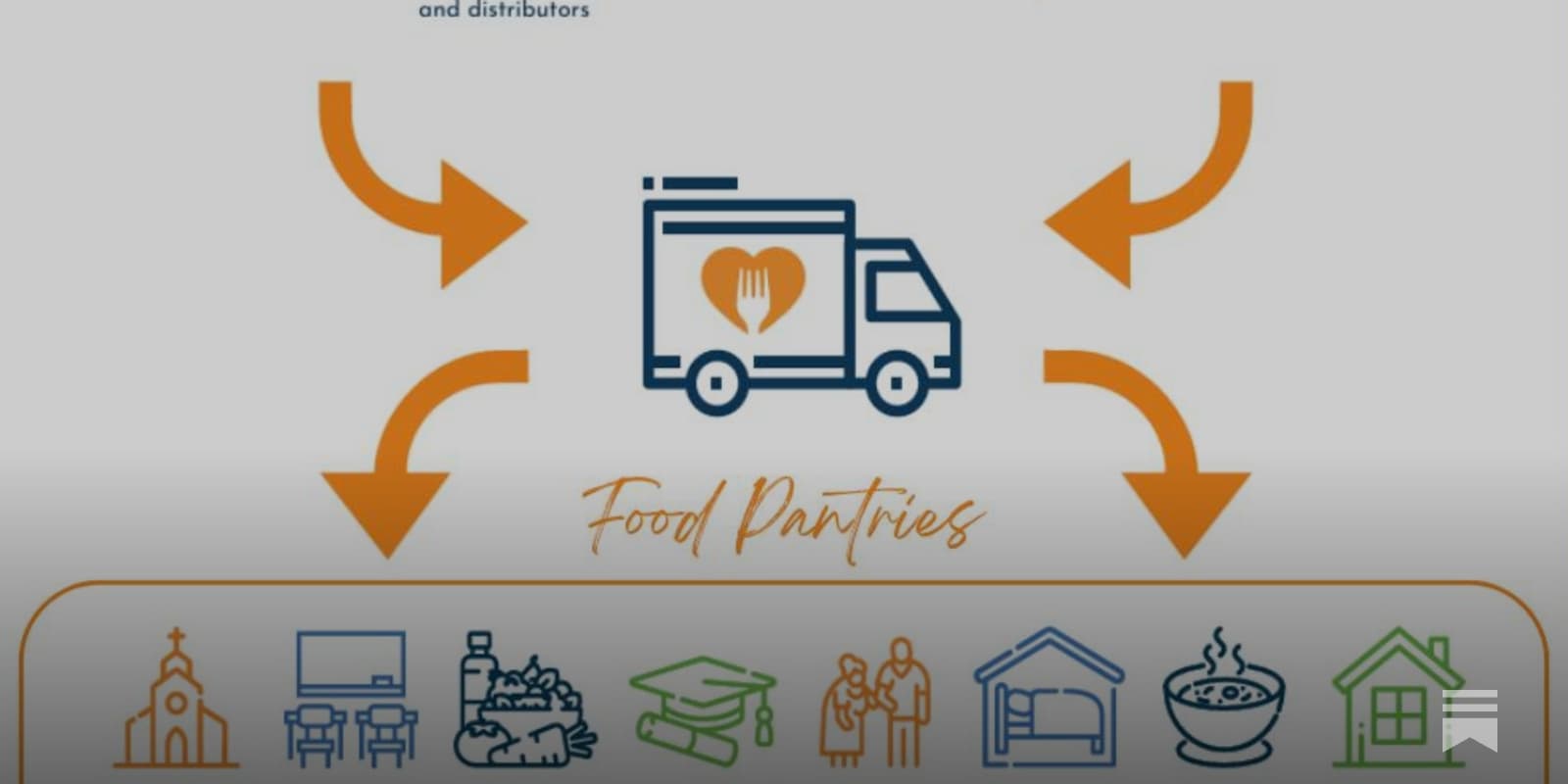
Most people use the terms food bank and food pantry like they mean the same thing. They do not. In this first episode of Systems Explained , Brandon Burley explains how the food distribution system actually works: why a food bank is usually a large supply center, why a food pantry is the local place where families actually receive food, and why understanding that difference matters if you want your donations to help more people. The episode also explains why cash donations often go farther than grocery-bin donations, how food banks use bulk purchasing power, why logistics matter, and how churches, schools, shelters, senior centers, and local nonprofits fit into the larger system. If you have ever wondered where donated food actually goes after it leaves the grocery store collection box, this episode explains the full process clearly and simply. New episodes focus on systems people talk about every day but often misunderstand. 🎙️ The Redemption Project: Systems Explained Questions for a future episode? Send them my way. Get full access to The Redemption Project Newsroom at newsroom.theredemptionproject.news/subscribe
What actually changes lives inside prison—and what only sounds good on paper? In this extended conversation, Brandon Burley sits down with Dr. Robin LaBarbera , a leading researcher on prison-based theological education, reentry, and well-being inside correctional systems. Drawing from years of firsthand research inside prisons and jails, Dr. LaBarbera explains why transformation cannot be measured by recidivism alone, how faith-based education reshapes prison culture, and why community, accountability, and purpose matter more than policy slogans. This episode explores: Why well-being is a stronger indicator of successful reentry than raw recidivism rates What prison-based theological education gets right—and why it changes entire housing units The gap between academic research and real-world practice How redemption stories inside prison challenge public assumptions about crime and punishment Why human dignity must come before policy outcomes This is not a debate episode. It’s a working conversation between research and lived reality—grounded in evidence, humility, and firsthand experience. Whether you’re a practitioner, educator, policymaker, or simply someone asking how people truly change, this conversation offers clarity few discussions ever reach. Get full access to The Redemption Project Newsroom at newsroom.theredemptionproject.news/subscribe
In this narrated commentary, Brandon Burley reflects on his recent opinion piece examining why addiction impacts every community—but recovery resources often do not. Drawing from reporting in East Tennessee, the episode explores how smaller cities like Oak Ridge experience the same pressures as larger urban centers—substance misuse, fractured families, and relapse—without the same concentration of treatment, visibility, or long-term recovery infrastructure. The discussion highlights First Recovery in Oak Ridge as an example of sustained, community-based support that goes beyond short-term intervention, connecting people and families to accountability, structure, and practical help. The episode also addresses broader regional data on addiction, homelessness, and overdose deaths, and why recovery efforts cannot remain centralized if communities want meaningful public safety outcomes. Get full access to The Redemption Project Newsroom at newsroom.theredemptionproject.news/subscribe
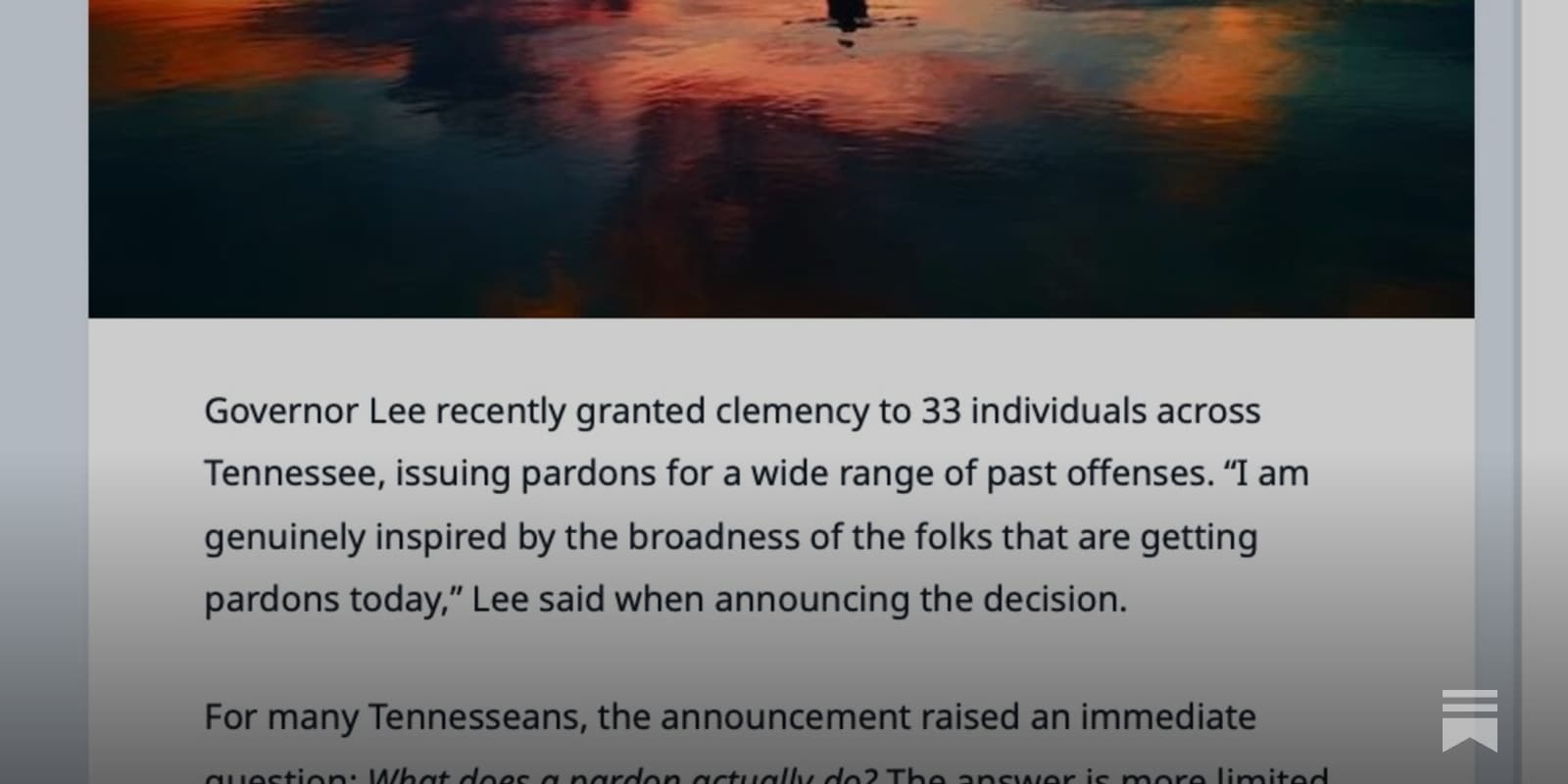
In this episode, Brandon Burley breaks down one of the most misunderstood parts of criminal justice: pardons . Following Tennessee Governor Bill Lee’s recent decision to grant clemency to 33 individuals—including a high-profile recipient—public conversation quickly blurred the line between forgiveness, expungement, and erasure of a criminal record. This episode explains, in plain terms, what a pardon actually does under Tennessee law—and just as importantly, what it does not do. Brandon walks through how pardons affect employment, housing, professional licensing, travel, and public records, why pardons are not shortcuts through the legal system, and how they fit into the much longer and often misunderstood process of expungement. He also explains why pardons remain rare, discretionary, and the result of extensive review—not public pressure or celebrity status. To ground the discussion, Brandon references a firsthand interview with Clark Shepherd, one of the individuals granted clemency, and outlines the years-long process behind that decision. This episode is part of The Redemption Project ’s narrated journalism series—focused on clarity, context, and facts beyond headlines Get full access to The Redemption Project Newsroom at newsroom.theredemptionproject.news/subscribe
n this Season 4 episode of The Redemption Project , Brandon Burley narrates and comments on a letter to the editor he wrote for the Chattanooga Times Free Press about a reentry support program coming to the city—one with a documented record of reducing recidivism. Drawing from firsthand experience in law enforcement and direct visits to Men of Valor campuses in Tennessee, Brandon explains why structured reentry matters for public safety. He breaks down how housing, employment, accountability, and decompression after incarceration intersect—and why the absence of those supports often sends people right back into the system. While this episode focuses on Chattanooga, the broader issue applies nationwide: when people leave jail or prison without stability, the conditions for reoffending quietly rebuild themselves. Season 4 of The Redemption Project features narrated journalism, letters, and reported commentary examining criminal justice, reentry, and public safety beyond headlines. Get full access to The Redemption Project Newsroom at newsroom.theredemptionproject.news/subscribe
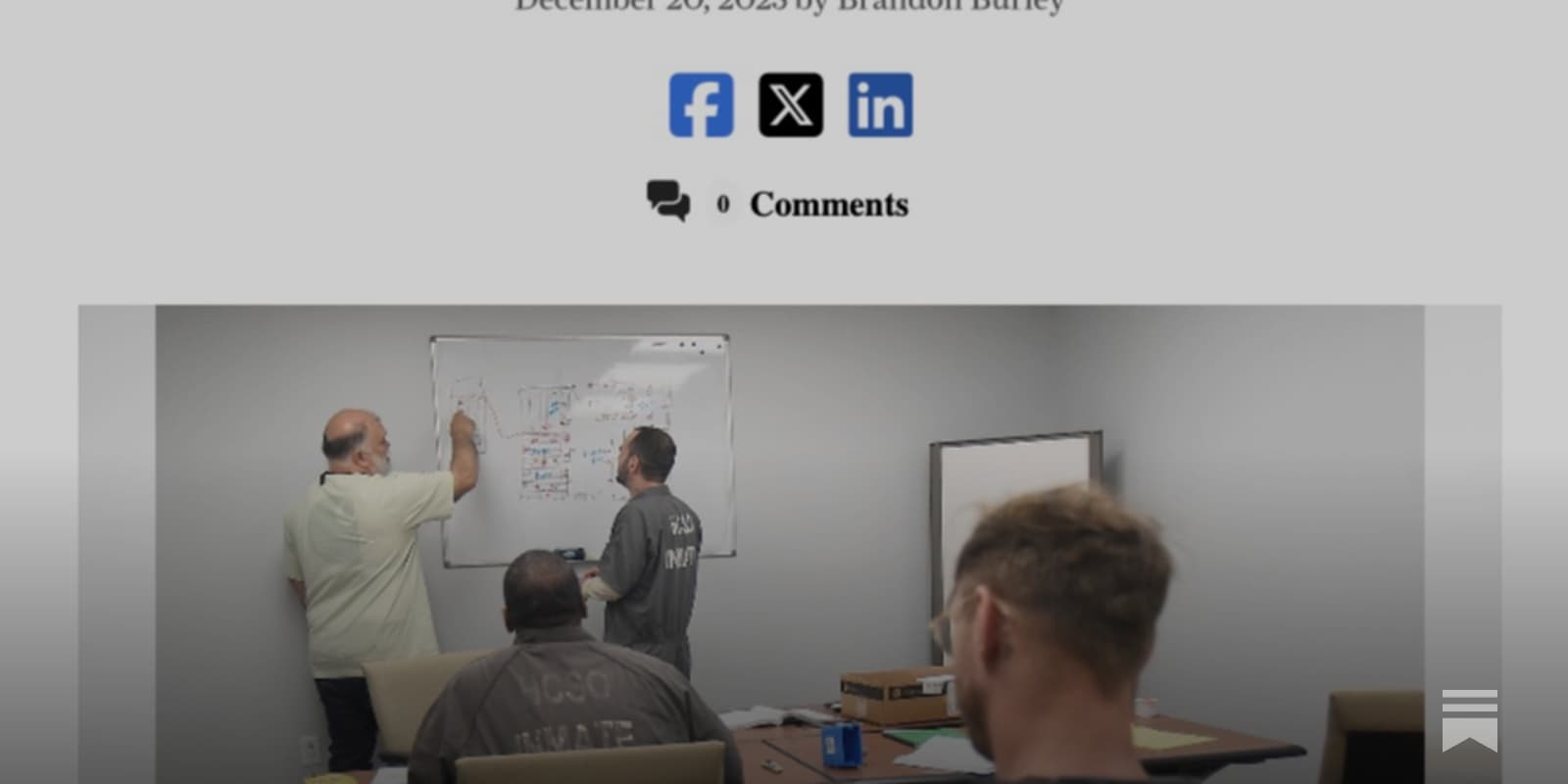
In this narrated episode, Brandon Burley reads and reflects on an opinion piece originally published in The Daily Memphian examining why second chance hiring is a public safety issue—not just an employment one. While the article focuses on Memphis, the argument applies far beyond one city. When people return from prison or jail without access to work, housing, transportation, or licensing pathways, the conditions for reoffending are quietly rebuilt. Public safety doesn’t improve by closing more doors. It improves by opening the right ones back. This episode explores how background checks, licensing barriers, housing scarcity, and transportation gaps intersect—and why responsibility for change doesn’t rest solely with government, but with employers, communities, and citizens willing to step in. Season 4 of The Redemption Project features narrated journalism and reported essays on criminal justice, reentry, and public safety. Get full access to The Redemption Project Newsroom at newsroom.theredemptionproject.news/subscribe
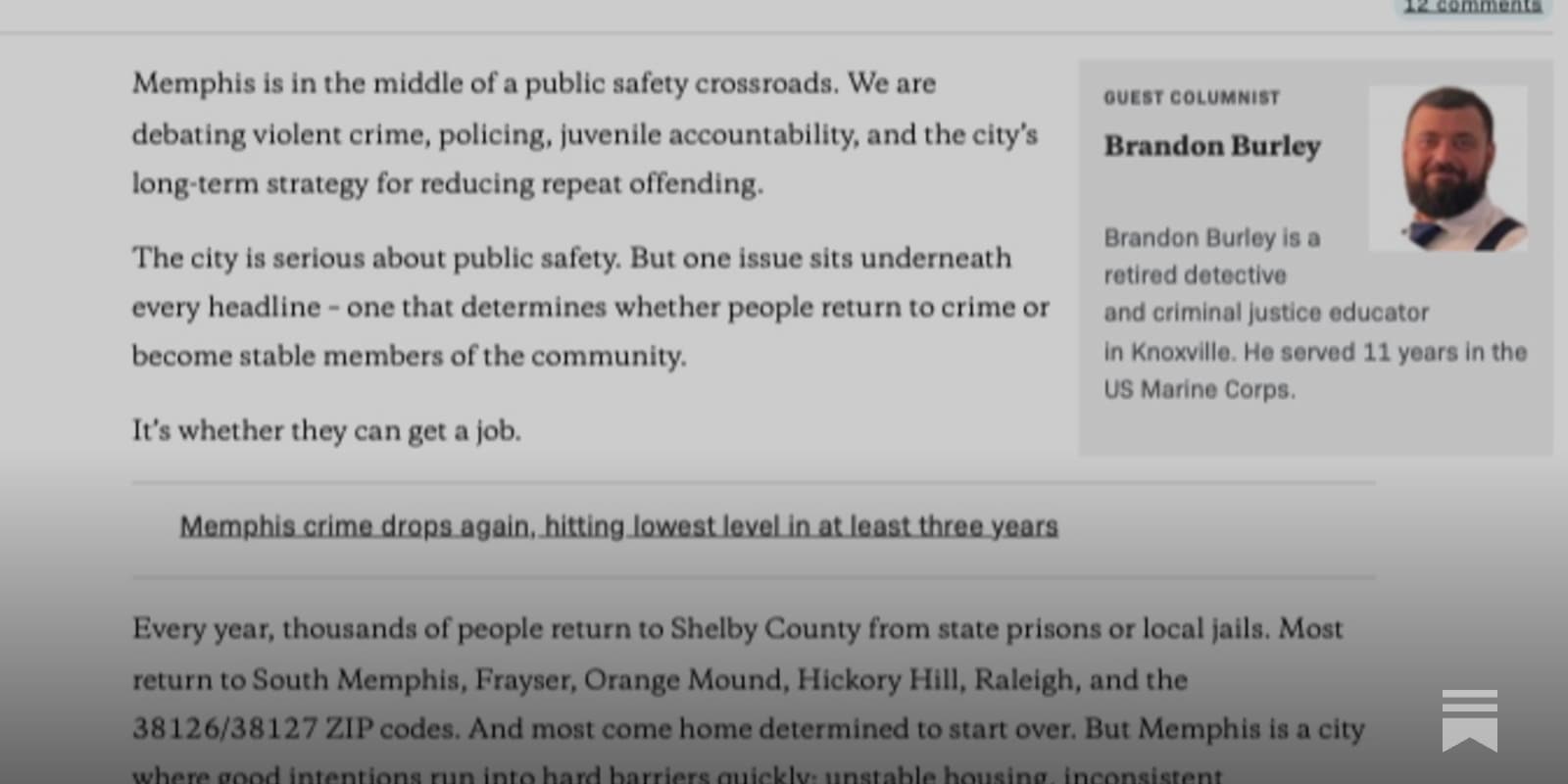
In this episode of The Redemption Project podcast (Season 4, Episode 3), I read and comment on my article originally published in Knox TN Today: “What People Don’t See About Life After Jail in Knoxville.” This piece sheds light on the hidden challenges people face after leaving jail—beyond what most of the public sees or understands. From housing and employment barriers to healthcare gaps and societal stigma, the realities of reentry demand deeper attention and practical support. In this read-aloud and commentary, we explore: • The unseen obstacles of life after jail in Knoxville • Why traditional measures of “success” miss the real stories • The importance of community, structure, and accountability • How programs and ministries are filling the gaps For the original written article, visit: https://www.knoxtntoday.com/what-people-dont-see-about-life-after-jail-in-knoxville/ The Redemption Project tells real stories of change, accountability, and second chances, hosted by Brandon Burley. Get full access to The Redemption Project Newsroom at newsroom.theredemptionproject.news/subscribe